
 Book Online
 Forms
Forms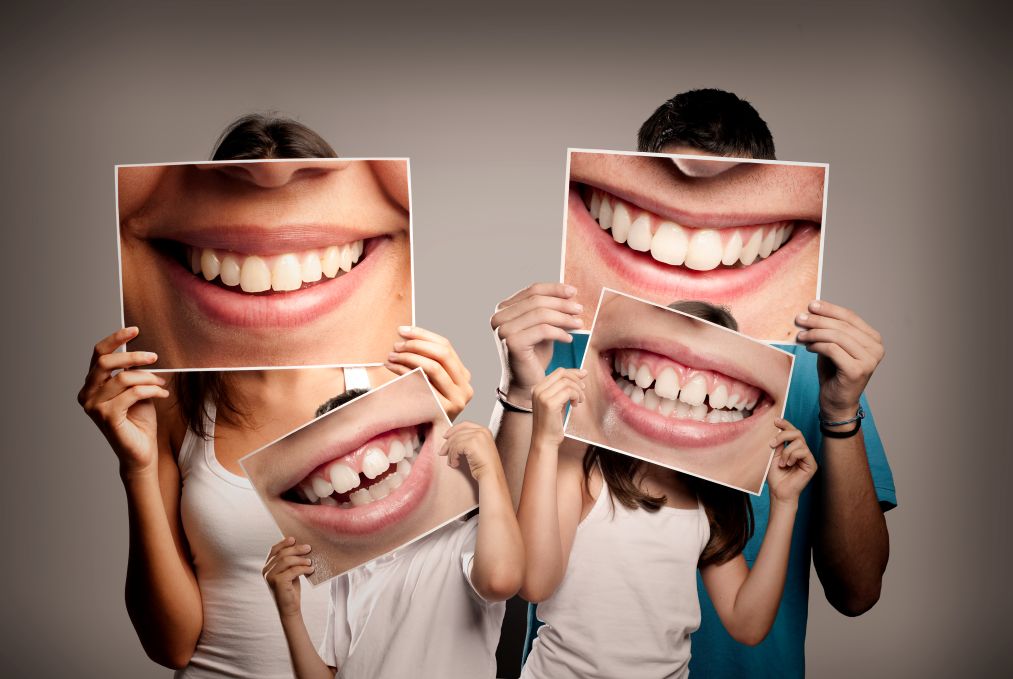
It’s the age-old debate: nature versus nurture. Does your environment influence the health of your smile, or is it something out of your control such as genetics? If you’ve always felt like your “bad teeth” were due to circumstances out of your control, here’s how your dental dilemmas could be hereditary, and why some are more likely to be caused by your lifestyle choices.
Tooth Color & Translucency
The shade of your teeth can often be influenced by things like your diet and lifestyle choices such as smoking or vaping. But even the cleanest, healthiest teeth can appear dull or yellow despite your best efforts to the contrary. That’s because other factors such as the thickness of your enamel (their hard outer coating) could be at play. You see, the second layer of the tooth, the dentin, is naturally yellow. Thus, if your enamel is thin or translucent, the dentin may be more noticeable in your smile, making your teeth appear discolored or not quite as white as you’d like. Many people are surprised to learn that the thickness of their teeth is genetic, so yes, in some cases your yellow-tinted teeth could be hereditary and not at all your fault!
Tooth Eruption Schedule
In most cases, children’s teeth erupt in the same order no matter who they are or where they come from. However, while this schedule is somewhat reliable, exactly when they appear is another story. That’s because the date teeth erupt is typically influenced by genetics, so if yours showed up earlier than anticipated, your child’s might too, or if they came in later than expected, your offspring could also face similar delays.
The Spacing of Your Smile
The size and shape of your jaw is determined by genetics, meaning the spacing and alignment of your teeth is, too. In fact, it’s not uncommon for parents and children to have the same gaps in their smiles, and the same crowding or bite problems can sometimes span generations!
Nature Vs. Nurture
A lot has been studied about nature versus nurture when it comes to your smile. Thankfully, having a genetic predisposition to an oral health condition does not guarantee it will affect you. For example, just because your mother had impacted wisdom teeth doesn’t mean yours will be, and even if your father gets cavities easily it doesn’t mean you should resign yourself to that fate, too.
Environmental factors can often make genetic predispositions worse, however. So, if for example, you have thin enamel, you could be at a higher risk of developing cavities or breaking your teeth. The good news is that these can still be prevented with a proper oral hygiene routine and taking appropriate precautions like avoiding using them as tools, limiting your consumption of excessively crunchy foods, and skipping beverages that are high in sugar and citric acid.
Remember, while it’s true that many of the physical features of your smile such as the thickness of your enamel and the size of your jaw are hereditary, your individual dental hygiene can help you avoid the pratfalls of both genetic predisposition and environmental factors. Thus, no matter what genes you’ve inherited, be sure to brush your teeth twice a day, floss daily, visit your dentist every six months for your preventive exams and cleanings, and avoid high-risk foods and behaviors that could put your teeth in jeopardy.
About Our Practice
At All Smiles Leesburg, our dental team wants to help you protect your smile no matter which traits you inherited that may be working against you. To schedule your preventive exam and cleaning and outsmart your smile’s genetic code, visit our website or call us today at 703-782-5171.